
Why a Junior Cycle Study Plan Matters
The Junior Cycle is the first major state exam for Irish students, setting the foundation for later academic success. With new assessment methods such as CBAs (Classroom-Based Assessments) and traditional exams, a clear study plan is essential. Without structure, it is easy to fall behind or feel overwhelmed.
A well-organised plan helps students balance subjects, manage time effectively, and prepare for both written exams and classroom assessments.
Key Elements of a Strong Junior Cycle Study Plan
A study plan for the Junior Cycle should include:
- Clear Goals
Decide what grades you want to achieve in each subject and create a realistic strategy. - Balanced Timetable
Allocate time for every subject, focusing more on areas where improvement is needed. - Exam Practice
Use Junior Cycle past papers to understand the structure and style of questions. - Daily Revision
Build short, regular study sessions rather than relying on last-minute cramming. - Active Recall Tools
Use methods like The Christopire Flashcards to strengthen memory and retention.
Junior Cycle Exam Tips
Success in exams is about more than memorisation. These tips help students study smarter:
- Practice under timed conditions with past papers.
- Summarise key topics into short notes or flashcards.
- Mix subjects during revision to keep the brain active.
- Test yourself daily instead of only reading notes.
- Stay consistent with your timetable to avoid last-minute stress.
How Past Papers Improve Junior Cycle Preparation
Using Junior Cycle past papers is one of the best ways to prepare for exams. They show exactly how questions are asked and help students get used to the exam structure.
By reviewing past papers, students can:
- Identify recurring themes.
- Learn how answers are marked.
- Improve time management.
- Reduce exam-day anxiety by knowing what to expect.
Combining past papers with The Christopire Flashcards ensures students understand the material while practicing exam techniques.
Creating a Junior Cycle Timetable for 2025-2026
With the Junior Cycle timetable for 2025-2026, students can plan their study in line with upcoming exams. Creating a personal timetable based on the official schedule allows for better pacing and ensures no subject is overlooked.
A good study timetable should include:
- Daily revision slots for each subject.
- Dedicated time for CBAs.
- Regular breaks to avoid burnout.
- Time for review using flashcards and past papers.
Tips for CBAs (Classroom-Based Assessments)
CBAs are an important part of the Junior Cycle and often influence final exam grades. Here are some CBA tips:
- Start early and keep organised notes.
- Use flashcards for quick recall of definitions, quotes, and vocabulary.
- Practice presenting information clearly for oral and project-based assessments.
- Ask teachers for feedback to improve before submission.

How The Christopire Flashcards Can Help
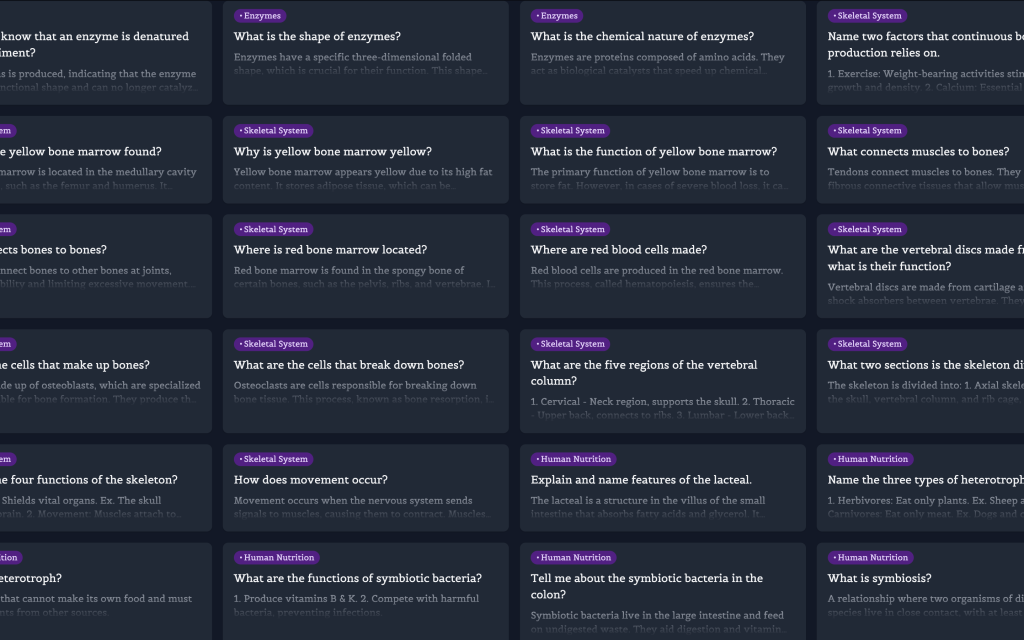
Studying for the Junior Cycle can be overwhelming, but The Christopire Flashcards make revision more manageable. With over 2,000 flashcards created from past papers, students can save time and focus on learning the material that matters most.
These flashcards:
- Cover core Junior Cycle subjects.
- Are based on real exam content.
- Support active recall and spaced repetition.
- Can be used daily for short, focused study sessions.
By combining a structured study plan with The Christopire Flashcards, past paper practice, and a realistic timetable, students will be well-prepared for the 2025-2026 Junior Cycle.
Frequently Asked Questions (FAQs)
1. How do I make a Junior Cycle study plan?
Start with your goals, then create a timetable that balances subjects, includes past papers, and daily revision with flashcards.
2. Are flashcards useful for the Junior Cycle?
Yes, they are one of the best tools for active recall and are especially effective for definitions, quotes, and key facts.
3. When should I start studying for the Junior Cycle?
It is best to start months in advance, building a consistent routine instead of leaving everything until the last few weeks.
4. How can I use Junior Cycle past papers?
Answer questions under timed conditions, check marking schemes, and track progress over time.
5. What are the best tips for CBAs?
Stay organised, practice regularly, and use flashcards to memorise key material.
6. How do I build a timetable for 2025-2026 exams?
Check the official Junior Cycle timetable, then map out a weekly schedule that prioritises weaker subjects and includes time for review. More on this may be posted soon!
Conclusion
A strong Junior Cycle study plan is the key to exam success in 2025-2026. By combining a well-structured timetable, regular practice with past papers, smart strategies for CBAs, and the use of The Christopire Flashcards, students can prepare with confidence.
Visit thechristopire.com today to access over 2,000 flashcards based on past papers and start building your study plan for the Junior Cycle.
