
Why It’s Smart to Start Studying Early
When exams feel far away, it’s tempting to think you have plenty of time. But ask any past student! The months leading up to the Junior Cycle or Leaving Cert go by faster than you expect.
It always starts the same way: September feels relaxed, Christmas still feels distant, and before you know it, mock exams are around the corner. Then the final exams appear on the horizon, and the pressure starts to build.
Starting early doesn’t mean spending hours buried in books. It simply means taking small, steady steps now so you can avoid panic later. By reviewing a little each week, you’ll build knowledge gradually – and when revision season arrives, you’ll already have a solid foundation.
The Benefits of Starting Your Study Routine Now
The earlier you begin, the more manageable your study becomes. Here’s what happens when you start ahead of time:
- Less Stress, More Control
Early preparation removes the panic that comes when exams are close. You’ll know what’s ahead and feel confident managing it. - Better Memory Retention
Revising topics early helps your brain store information long-term. You’ll spend less time re-learning material later. - Improved Time Management
When you spread out your study, you avoid late-night cramming and last-minute stress. - More Flexibility
If something unexpected happens – illness, family commitments, burnout – you already have a buffer. - Higher Exam Performance
Students who revise gradually tend to recall material faster and perform better under pressure.
How to Kickstart Your Study Routine
1. Create a Realistic Study Plan
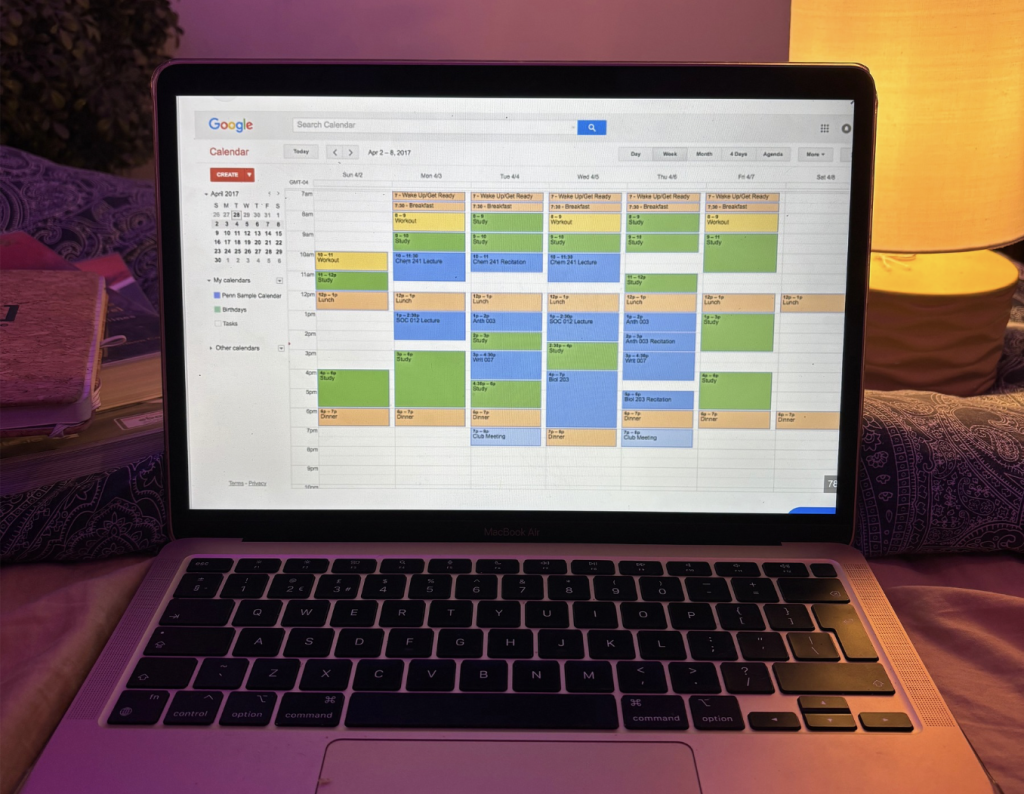
Every successful student starts with a plan. Making a study plan lets you visualise your goals, track your progress, and hold yourself accountable.
Break your study sessions into short, focused blocks – even 20 to 30 minutes per subject can make a difference. Include time for Junior Cycle past papers or Leaving Cert past papers each week to apply what you’ve learned.
You don’t have to plan every hour of your day. Start simple, then build from there.
2. Stay Organised from the Beginning
Organisation is one of the most underrated skills in exam preparation. Keeping your notes, folders, and timetable tidy helps you stay calm and focused.
A messy desk or scattered notes create unnecessary stress. When your materials are organised, you’ll spend less time searching and more time studying.
You can also use digital tools – like The Christopire Flashcards – to simplify revision. Our flashcards are already categorised by subject and topic, helping you stay organised without extra effort.
3. Start Small and Build Consistency
You don’t need to overhaul your entire routine in one week. Begin with small study sessions after homework. Even ten minutes of flashcard review is progress.
Once studying becomes a habit, your motivation grows naturally. The trick is consistency. Doing a little each day is far more powerful than doing a lot once in a while.
Use The Christopire Flashcards to keep study sessions short and focused. They’re designed for active recall, a proven memory technique that helps you remember facts, quotes, and definitions quickly.
4. Commit to Your Study Goals
At the start of the school year, everyone feels motivated to do well. But motivation fades unless you commit to your routine.
Write down your goals – whether that’s improving in Maths, mastering Irish essay phrases, or getting top marks in Business. When your goals are clear, it’s easier to stay focused, even when you don’t feel like studying.
5. Use Past Papers and Flashcards Together
Once you’ve covered a few topics, start integrating past papers into your study. They show how questions are structured and what examiners expect.
Pairing past paper practice with The Christopire Flashcards helps you revise content efficiently. Use flashcards to review key terms before tackling past paper questions – this strengthens both your understanding and recall.
Avoiding Burnout
While it’s smart to start studying early, it’s just as important not to overdo it. You’re building long-term habits, not sprinting through the school year.
Balance study with relaxation, sports, and social time. Breaks keep your mind fresh and improve focus when you return to your books.
Remember, effective studying is about quality, not just quantity.

Frequently Asked Questions (FAQs)
1. When should I start studying for the Junior Cycle or Leaving Cert?
The best time to start is near beginning of the school year. Start small and build up gradually.
2. How much should I study each day?
Aim for 30 to 60 minutes of focused study on weekdays. Small daily sessions are more effective than occasional long ones. Check out the Pomodoro technique for effective study.
3. What’s the best way to stay consistent?
Create a realistic study plan and stick to it. Use flashcards to make short, manageable revision sessions part of your routine.
4. Should I use past papers this early?
Yes, it can help! Reviewing a few past questions each week familiarises you with exam formats and helps you identify key themes.
5. How can The Christopire Flashcards help me start early?
Our flashcards are based on past papers and exam topics, making it easy to revise without rewriting notes. They help you study efficiently from the very start of the school year. A premium plan will give you unlimited access to these superb study materials, but you can also try free and see how you like it.
Conclusion
Starting your Junior Cycle or Leaving Cert study early gives you a huge advantage. It reduces stress, builds confidence, and improves your long-term results.
You don’t need to study for hours each night – just start small, stay consistent, and use tools that make learning easier.
Visit thechristopire.com to access over 2,000 ready-made flashcards based on past papers, designed to help you start early and stay ahead all year!
